
The work that feeds, moves and builds the country
Australia's frontline industries run on people who work with their hands, often a long way from a desk, frequently a long way from home. Keeping them safe is a different problem to keeping an office safe, and most safety software was written for the office.
Who actually does this work
The workforce on a packing line, in a dairy or on a harvest crew looks nothing like a head-office org chart. It turns over fast. It arrives in waves with the season. A large share of it works through labour hire, which means the people on your site are frequently not on your payroll, and under Section 21(3), that makes no difference to your duty toward them.
Many are here through the Pacific Australia Labour Mobility scheme: workers from Timor-Leste, Vanuatu, Samoa, Tonga, Fiji and the Solomon Islands, doing the jobs that keep orchards picked and processing floors running. Others are migrant or visa-holding staff who have been in the country for years. Together they make the frontline one of the most culturally and linguistically diverse workforces in Australia.
That matters for one practical reason. A safety instruction only works if the person receiving it understands it. Handing a Tetum-speaking new starter a twelve-page English policy is not a control. It is a record that you handed them something.
Find your industry
The duty is the same everywhere. What changes is the shape of your workforce, how fast it turns over, how far it spreads, and what language it thinks in.
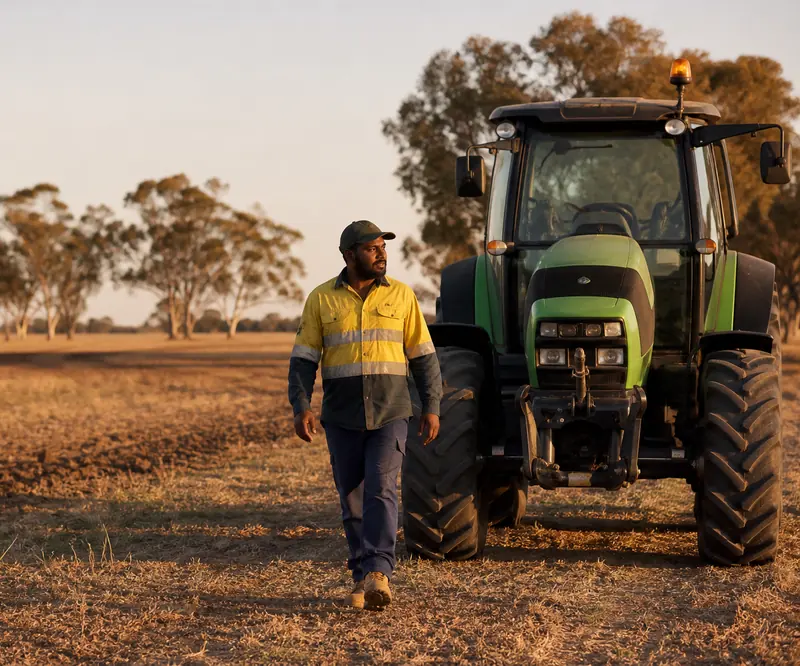
Farming
Induction, machinery and contractor onboarding for seasonal field teams.
Explore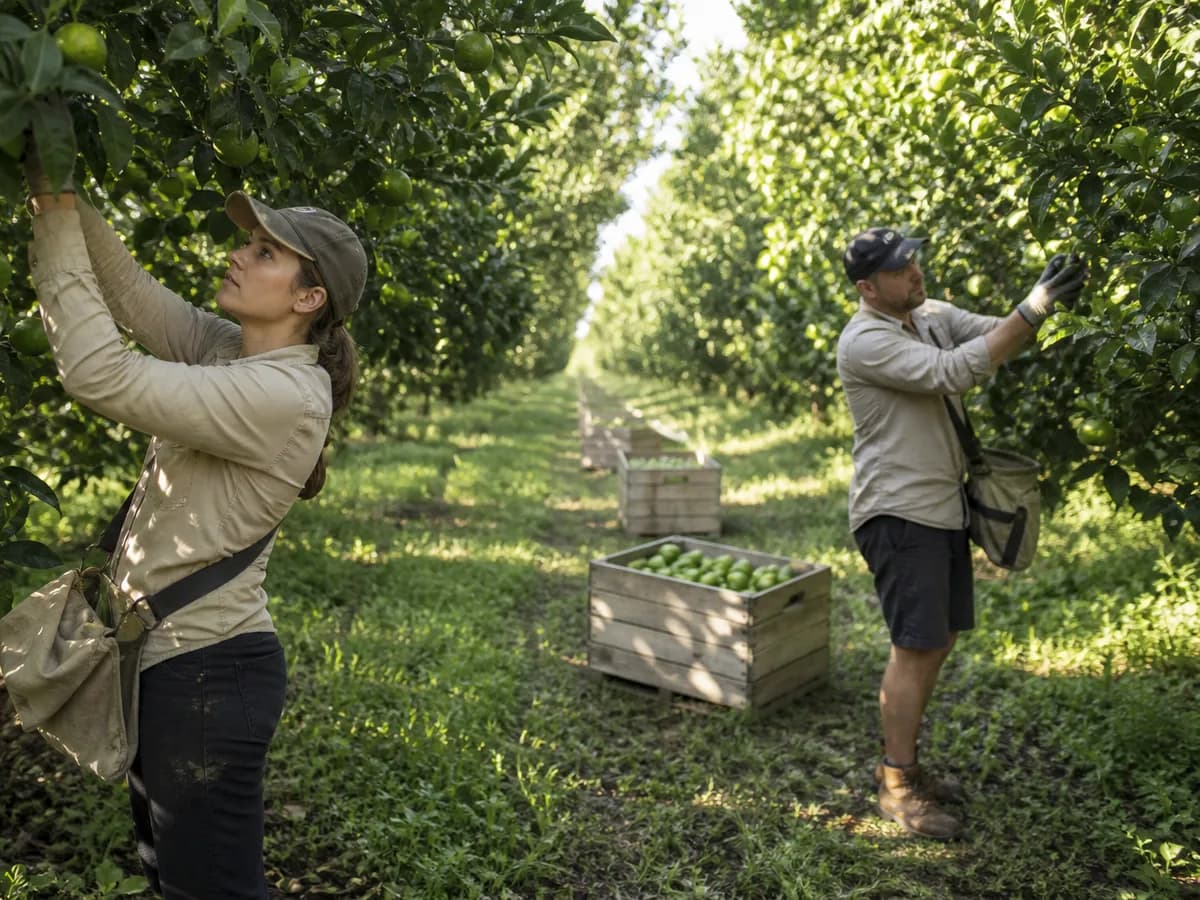
Horticulture
Harvest crews, machinery, chemicals, contractors and site conditions.
Explore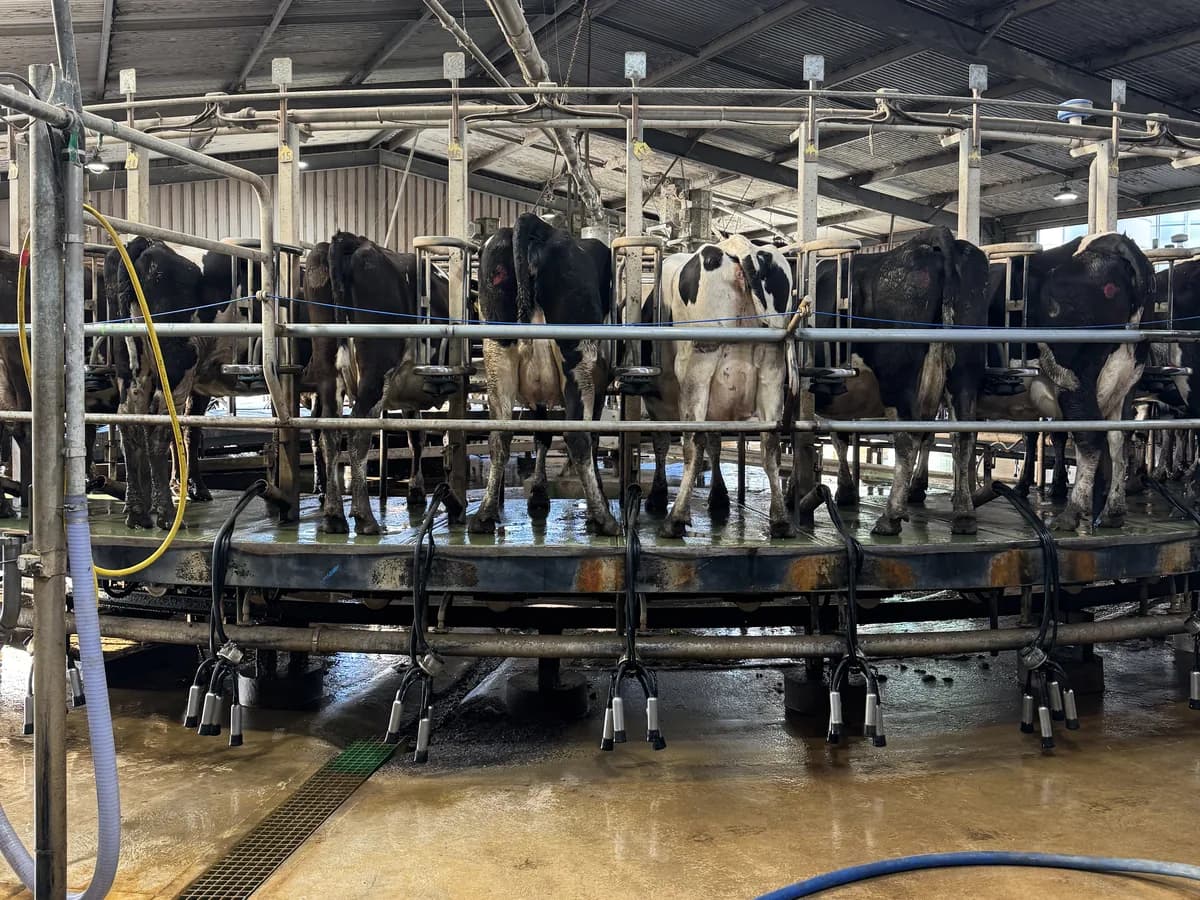
Dairy
Induction and WHS training for dairy teams, machinery, livestock and shifts.
Explore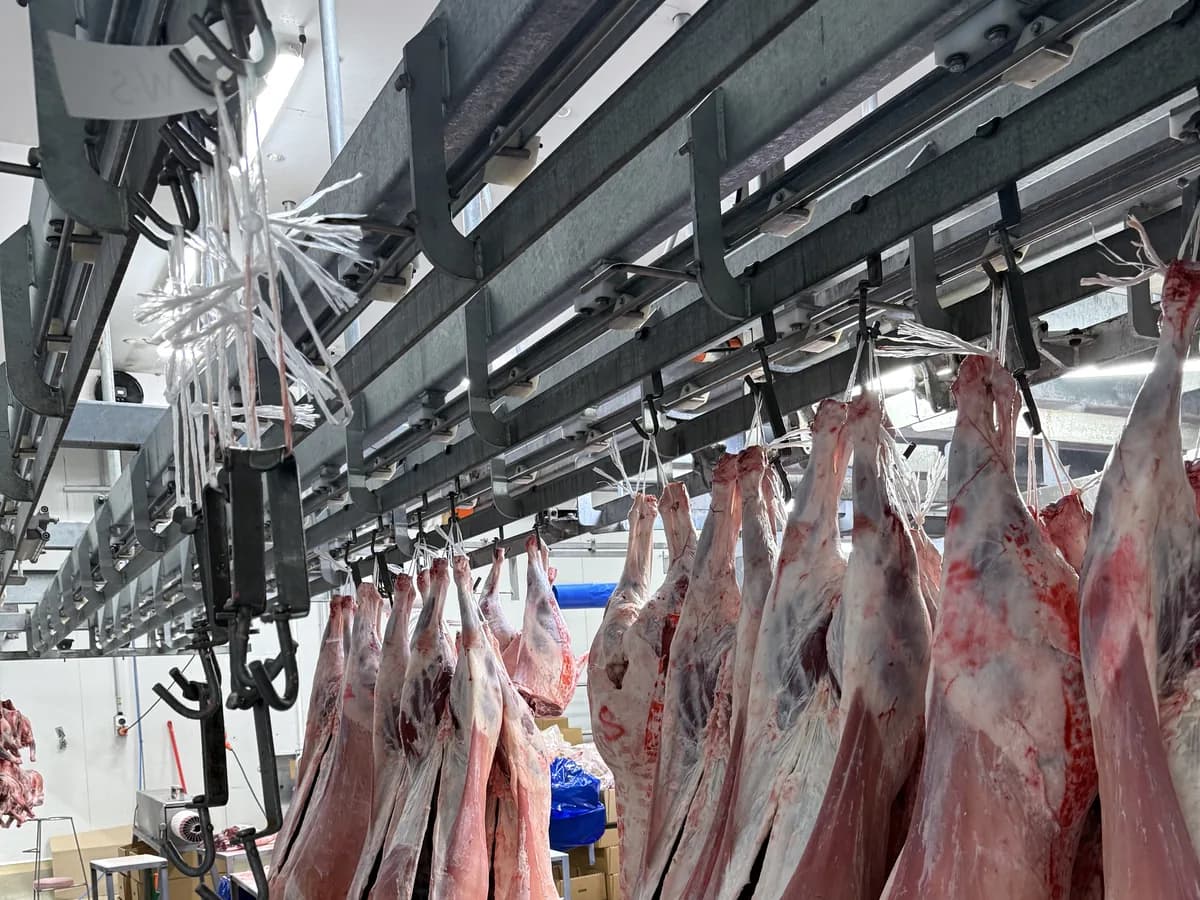
Meat Processing
New-starter induction and WHS training for hygiene, PPE and production.
Explore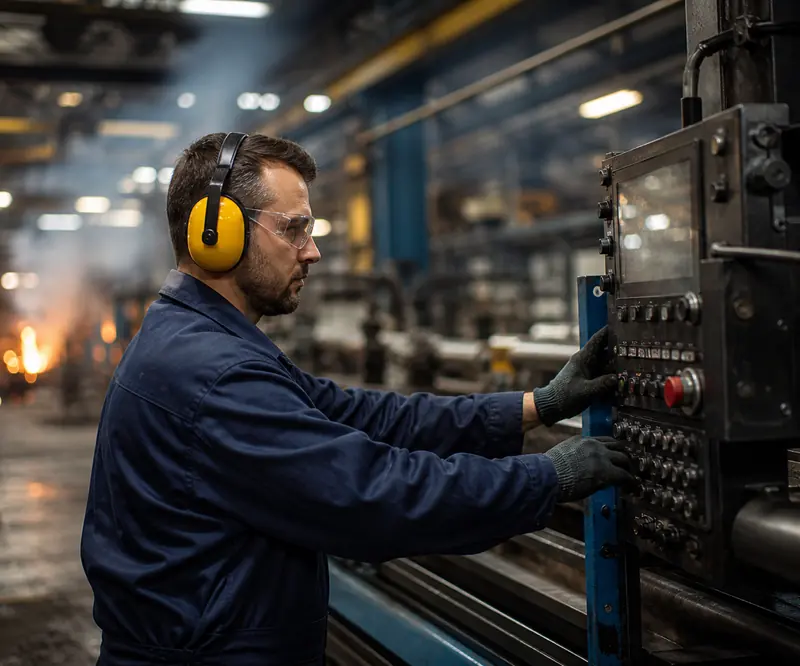
Manufacturing
Site induction and training for machinery, SOPs, PPE and contractors.
Explore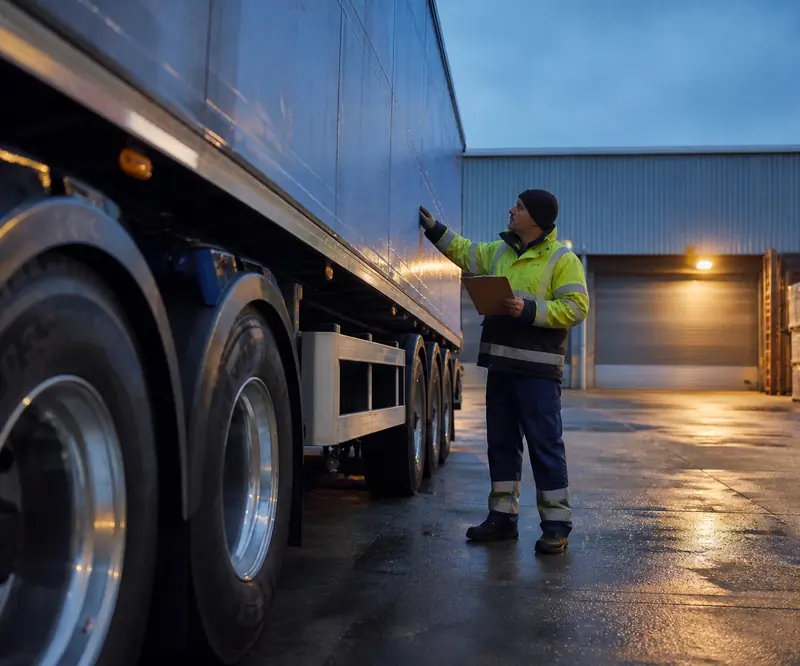
Logistics & Transport
Driver and depot induction, loading, vehicle checks, yards, fatigue.
Explore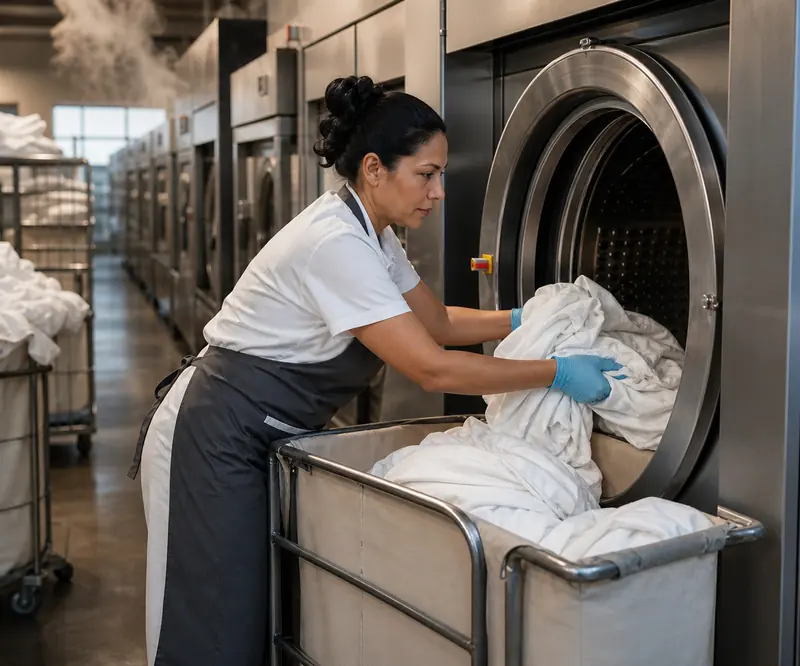
Cleaning & Laundry
Training for chemicals, hygiene, equipment, site access and mobile teams.
Explore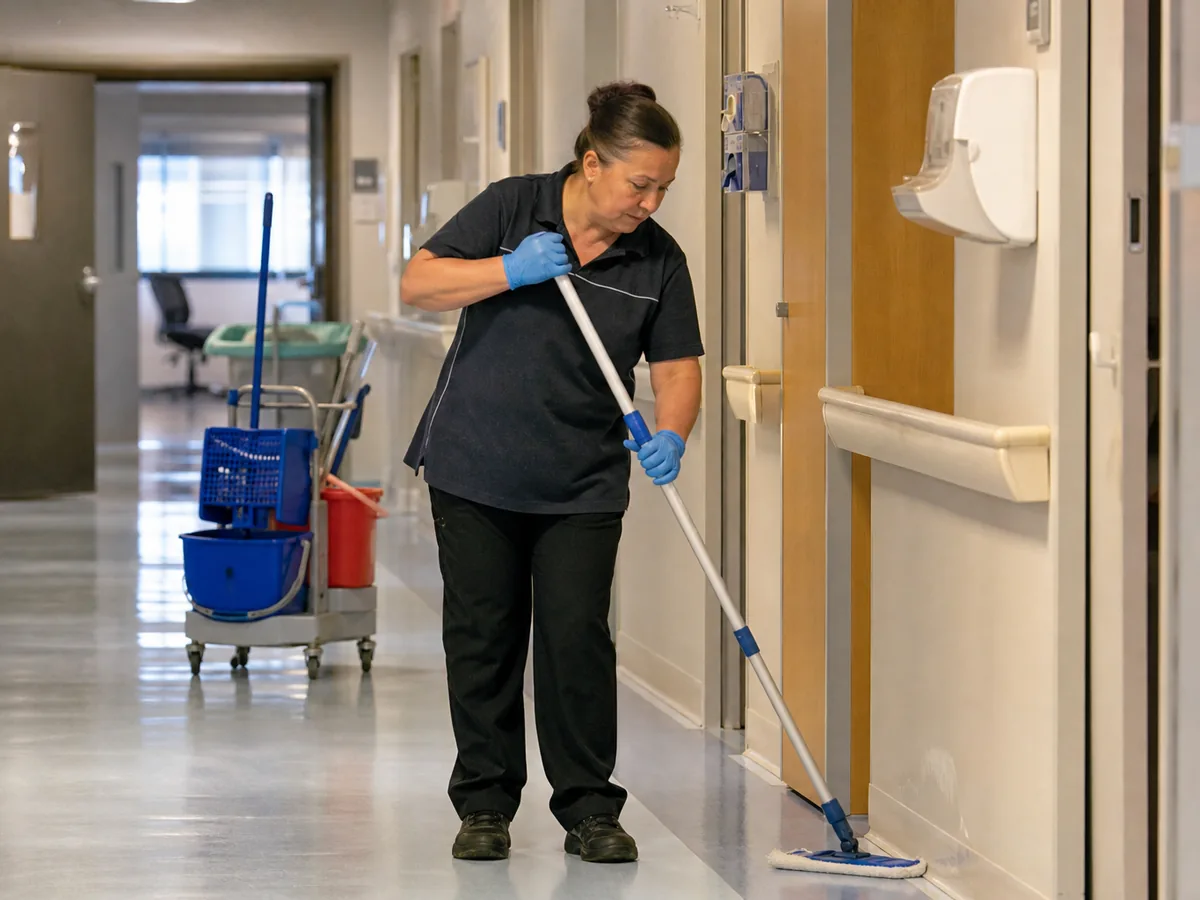
Other Industries
Induction and training support for other compliance-heavy workplaces.
ExploreAlso supporting construction, environmental services, aged care and health. PALM Deed configuration, Tetum & Bislama content and arrival/departure tracking included on every plan.
People on the land, a long way from home
A PALM worker in an orchard outside Mildura is thousands of kilometres from their family, earning for a household back home, often on their first job in a country whose workplace rules nobody has explained in their language. They are among the most willing workers on any site and among the least likely to say they didn't follow the induction.
That combination, willingness plus silence, is exactly where people get hurt. Nobody asks a question they think will make them look like they can't do the job.
So we build training the way it should have been built for these workers all along: short, visual, in the language they think in, with a check at the end that lets them show they understood without anyone having to ask. That is the whole of it. Everything else Oxil does exists to serve that.
What these industries have in common
People work alone
A worker in a back paddock, a driver at a customer site, a cleaner in a building after hours. When something goes wrong, nobody is standing next to them, so what they understood before they started is the only control in place.
The workforce keeps changing
Seasonal peaks, high turnover, contractors for three days. Some operations induct more people in a fortnight than an office hires in a year, and it never stops long enough to catch up.
Language and literacy are safety issues
Reading a dense procedure in a second language is not the same as understanding the hazard. Low literacy is not low capability, it just means the written word is the wrong delivery mechanism.
Risk is physical and immediate
Machinery, livestock, chemicals, vehicles, heat. These are not ergonomic risks that surface over a decade. They are the kind that change a life in a second.
Safety doesn't stop at the gate
Full-time staff, casuals, contractors, backpackers and PALM workers often work the same shift, and the law makes no distinction between them. A contractor on-site today carries the same duty of care as someone on payroll for years, and for many, training and welfare don't stop when the shift ends.
Proof only exists if it's recorded
After an incident, nobody asks whether training happened in spirit, or whether the person was on your payroll or a contractor's for the day. They ask for the record of who was told what, in what language, and whether they showed they understood it.
Not sure what you're missing?
The gap analysis is built per industry, orchard questions for an orchard, shed questions for a dairy. Five minutes, no cost, and you keep the result.